Portable Dishwasher vs Built-In: What Renters Should Know
A portable dishwasher is the simpler choice for most renters, because it connects to a faucet and moves with you, while a built-in stays in the cabinet and needs a permanent install. Ask your landlord before you plan a built-in.
On this page (12 sections)
- Size and weight of each type
- Install and hookup: what a renter can do
- Noise, water and programs
- Controls, racks and drying for daily use
- Moving out with each type
- What renters should ask a landlord
- A rental fit checklist
- Who a portable suits
- Who a built-in suits
- Which setup fits common rental situations
- Mistakes to avoid when comparing these two
- Portable dishwasher vs built-in: which fits your rental
A portable dishwasher is the simpler choice for most renters, because it connects to a faucet and moves with you. A built-in stays in the cabinet and needs a permanent water and drain connection, so ask your landlord first.
This comparison sets the SPT 18-inch portable against the COMFEE' 18-inch built-in, with renters in mind. Both hold eight place settings, so the real differences are install, weight and what you can undo.
For the full range of types, see our countertop and portable dishwashers guide. If you are weighing a countertop model too, countertop vs portable dishwasher compares those two.

 Best for a homeowner who keeps the kitchen
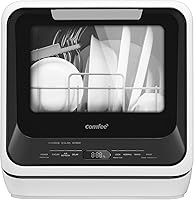
COMFEE' 18-Inch Built-In Dishwasher
Size and weight of each type
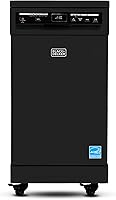
The SPT stands 35.6 in tall and weighs 114 lb, while the COMFEE' built-in stands 32.4 in tall and weighs 54.7 lb. Both are about 18 in wide, so height and weight are where they differ most.
| Product | Best for | Size | Weight | Installation | Our score |
|---|---|---|---|---|---|
| SPT 18-Inch Portable Dishwasher | renters who want no install | 17.6 W x 23.6 D x 35.6 H in | 114 lb | Portable, faucet adapter | 8.6 |
| COMFEE' 18-Inch Built-In Dishwasher | a homeowner who keeps the kitchen | 17.6 W x 22.6 D x 32.4 H in | 54.7 lb | Built-in, permanent install | 7.9 |
Our score weighs specs, features and buyer feedback against what you're shopping for. The SPT scores higher here because this guide is for renters, and a built-in needs approvals a renter may not get.
The built-in is shorter and lighter, but it needs a cabinet opening that matches its size. It stands on adjustable legs, and its 32.4 in height is the number that changes the cabinet plan.
The SPT needs floor room beside the counter, so the floor and the route to it matter as much as the width. A 114 lb unit also needs a clear path through the door and any turns.
Before you rule either one in or out, write down the width, depth and height you have. Then compare those numbers with each unit's figures, not with the product name alone.
Install and hookup: what a renter can do
The SPT connects to a faucet with an adapter, while a built-in needs a permanent water and drain connection. For a renter, the portable is the lighter change, and the built-in is the bigger one.
SPT says its unit quick connects to a kitchen faucet and avoids direct plumbing and permanent installation. The box includes the faucet adapter and a drain hose.
Check your faucet first
SPT says the adapter fits standard aerator openings, at 15/16 in for male and 55/64 in for female connections. SPT also says you may need a third-party adapter kit if your faucet has an unusual aerator size.
SPT warns that some side sprayers can leak under line pressure. If your faucet has a side sprayer, ask a licensed plumber before you connect the unit.
Most of the portable setup is checking, not building. Read the manual, look at your faucet's aerator, measure the space and ask your landlord.
What a built-in needs
The built-in needs a permanent water and drain connection, and that is plumbing work. Use a licensed plumber for it, and follow the maker's manual for the install.
Ask your landlord before any plumbing or electrical change. A built-in changes the kitchen itself, so the landlord's answer comes first.
Leave any change to the pipes, the drain or the water line to a licensed professional. Keep the adapter and the drain hose of a portable in one place, so they're easy to find at setup and at move-out.
Noise, water and programs
Both units carry a 52 dB rating, so they are similar in noise. That is the maker's figure, so compare it with how close your kitchen sits to a bedroom or a living room.
Neither maker gives a water-per-cycle figure, so don't pick between them on water use. Both carry Energy Star certification, and the COMFEE' also carries NSF certification.
You can read what the Energy Star label covers at Energy Star.
Both have delay starts, so you can time a run for when you're out or asleep. The SPT's runs from 1 to 24 hours, and the COMFEE' has a timer delay of its own.
The SPT has six wash programs: Heavy, Normal, Eco, Glass, 90 Min and Rapid. The COMFEE' has six wash cycles, including Heavy, Normal, Eco, Delicate, Quick and Rinse, plus a heated dry function.
Controls, racks and drying for daily use
The SPT has touch controls and an adjustable upper rack, while the COMFEE' built-in has an LED control panel and heated drying on most cycles. Both give you the basics, so the choice comes down to hookup and fit.
The SPT's upper rack adjusts for larger plates and pots, according to SPT. Its interior is stainless steel, and it has an automatic detergent and rinse aid dispenser.
SPT adds a rinse aid warning and an error alarm that shows fault codes. Those tell you when rinse aid is low and when the unit needs attention.
The COMFEE' built-in has a digital control panel with an LED display. Its lower rack takes oversized dishware up to 13.78 in tall, and the upper rack adjusts up to 1.97 in for deep pots.
COMFEE' says its heated dry runs on most cycles, and to use dishwasher detergent only, since liquid dish soap causes problems. The drying result still depends on how you load the rack.
Moving out with each type
A portable comes out with you once the hoses are disconnected. A built-in stays with the kitchen when you leave, so the lease decides what happens to it.
Before a move, disconnect the faucet adapter and the drain hose, unplug the unit and follow the manual for any water left inside. Then plan the route out, since the SPT weighs 114 lb and needs a second person.
If your landlord wants a built-in removed or left in place, the written approval should say who handles that work. Keep the approval, the manual and any warranty papers together, so the paper trail is easy to find when the lease ends.
What renters should ask a landlord
Ask whether a built-in is allowed, who pays for the licensed work and what happens to the change when the lease ends. Those three answers settle most of the rental question.
- Is a built-in dishwasher allowed in the unit, and is the approval in writing?
- Who pays for a licensed plumber or electrician, if the work is needed?
- What happens to the built-in and the cabinet change when the lease ends?
- Is a portable dishwasher allowed, and where can its drain hose go?
Get the answers in writing before you buy, and keep a copy with your lease. This is general information and not legal advice, so your lease and local rules have the final say.
A rental fit checklist
Before you buy, confirm the lease, the faucet, the floor or cabinet space and the drain spot. Each item can rule out a model, so check them in that order.
- Lease: written approval for any built-in change
- Faucet: type, aerator and whether it has a side sprayer
- Floor: width, depth and a clear route for the SPT's 114 lb
- Cabinet: an opening that matches the COMFEE' 18-inch built-in
- Drain: a spot the hose can reach, with a place for the waste water
- Outlet: power within reach of the unit
If the lease rules out a built-in, you don't need to measure the cabinet at all. Start there, since the lease is the quickest check.
Who a portable suits
A portable suits a renter who wants no permanent change to the kitchen. It works best in a kitchen with floor room and a faucet close by.
- A renter who wants no permanent change to the kitchen
- A kitchen with floor room and a faucet within reach
- A household that may move within a few years
- Someone who can move a 114 lb unit with help
If your landlord wants the kitchen left as it was, a portable is the simpler request to make.
For a rental-focused choice guide, read how to choose a portable dishwasher for an apartment. For more rolling models, see best portable dishwashers on wheels.
Who a built-in suits
A built-in suits a homeowner who plans to keep the kitchen. It also suits a renter whose landlord approves the install in writing.
- A homeowner who plans to keep the kitchen for years
- A renter with written landlord approval and a licensed installer
- A cabinet opening that already matches an 18 in unit
- Someone who wants the dishwasher out of sight
A built-in also needs a permanent connection, so plan for the time the licensed work will take before you buy. It suits a kitchen where you want the floor clear for good, since nothing sits on the floor.
To see whether a portable can become a permanent install, read can you install a portable dishwasher permanently. It explains why that route needs care.
Which setup fits common rental situations
In most rental situations, the portable is the one to start with. A built-in only fits when the landlord approves the change in writing.
- A lease that rules out kitchen changes. The portable is the only option, since the SPT needs no permanent install.
- A move planned within a year or two. The portable comes with you, while a built-in would stay in the kitchen.
- A cabinet that already fits an 18-inch unit, with written approval. A built-in is possible, but a licensed plumber still makes the water and drain connection.
- A faucet with a side sprayer. Check the faucet first, and ask a licensed plumber before you connect a portable, since SPT warns about leaks.
- A kitchen you own and plan to keep for years. A built-in fits into the cabinets and stays put, which suits a long stay.
Mistakes to avoid when comparing these two
Five mistakes are easy to make here, and each one is simple to check before you buy. Most come from treating the two types as if they were the same kind of purchase.
- Treating the built-in as a quick swap. A built-in needs a cabinet opening and a permanent connection, so it is a project, not a plug-in.
- Assuming a portable needs no faucet. The SPT connects to a faucet with an adapter, so your faucet type decides whether it works.
- Ignoring the weight. The SPT weighs 114 lb, which usually means a second person for the move, while the COMFEE' weighs 54.7 lb.
- Forgetting the landlord. A built-in changes the kitchen for good, so the approval should come before the purchase.
- Skipping the manual. Both units come with a maker's manual, so read the setup and first-run steps before you start.
Portable dishwasher vs built-in: which fits your rental
Pick the portable if you rent and want no permanent change, and pick the built-in only if your landlord approves the install in writing. The landlord's answer and your faucet decide most of this choice.
- Pick the SPT portable if you rent, may move, and have a faucet nearby that takes the adapter.
- Pick the COMFEE' built-in if you own the home, or your landlord approves it in writing and a licensed installer is available.
- Pick the portable if you are unsure about the lease, since you can take it with you.
- Measure the spot first, whichever you choose.
Portable dishwasher or built-in: the next step
For the faucet steps on a portable, read how to hook up a portable dishwasher to your faucet. It is the next thing to check after you choose a type.
Frequently asked questions
Is a portable dishwasher a good choice for renters?
Often, yes, because a portable connects to a faucet, leaves the cabinets alone and can come with you when you move out. Check your faucet first, and get your landlord's answer in writing if you're unsure about any connection or hose placement.
Can a built-in dishwasher go in a rental?
Only if your landlord approves the change, and a built-in usually needs a permanent water and drain connection from a licensed plumber. Get the approval in writing before you buy, and treat a portable as the safer plan until both are settled.
How does a portable compare with a built-in on noise?
The SPT portable and the COMFEE' built-in both carry a 52 dB rating, so they are similar on paper. Compare the rating with your layout, since a kitchen next to a bedroom will feel different from one with a wall between them.
Does a portable dishwasher need a plumber?
A portable with a faucet adapter usually doesn't need a plumber for the connection, but a faucet with a side sprayer may need a closer look. Check your faucet first, follow the maker's manual, and ask a licensed plumber about anything beyond the adapter.